You have an epoxy flooring project. That's great! How do you know if it's successful? It’s not just about a shiny, new look, especially if you're a contractor in Castle Rock dealing with demanding clients. We mean lasting looks and reasonable costs.
Consider a homeowner. They want a floor that handles kids, pets, and a dropped wrench in the garage. Investors want something that boosts property value without high costs. Businesses need floors that withstand heavy traffic and stay professional.
For property managers and builders, it’s even more important. Poorly installed epoxy floors cause call-backs, unhappy tenants, and damage to your reputation. No one wants peeling, cracking epoxy that wears out fast.
These projects must be checked. Looking for Flooring Contractor in Castle Rock for your business flooring needs.. We must look past the initial "wow" and consider long-term performance. A successful epoxy floor isn't just pretty. It's a smart investment that saves money and prevents headaches. So, what matters? Let's get started.
Let's discuss how to *know* if your epoxy floor is holding up. It's not just about looks. We need to see if it can handle wear.
Consider wear resistance. This is important in garages or retail spaces with foot traffic or vehicles. The Taber Abrasion Test measures this. A machine rubs abrasive wheels on the floor to see how much material wears away. A lower wear index is better because that means it's tougher.
Impact resistance matters too. What happens when something heavy drops? You don't want cracks or chips. Some tests drop a weight from a height to see the damage. This is relevant for commercial kitchens or warehouses.
Chemical resistance is also key, especially in a garage where oil and solvents might spill, or a commercial kitchen with cleaning chemicals. You need to know the epoxy won't break down or stain. Ratings tell you which chemicals the floor can withstand and for how long.
What if you skip these? You'll get a floor that looks great but degrades fast. This costs customers more money. That's not good for business.
Color consistency matters for epoxy floors, especially in large spaces. You want uniform color across the surface. Inconsistent color can make a floor look cheap. Mixing ratios and application affect color, so follow guidelines closely. The wrong color can hurt aesthetic appeal and property value.
Epoxy floor gloss affects light reflection and overall look. High gloss can make a space look modern, but it can show scratches. Matte finishes hide blemishes better. Choose the right gloss for the space and desired look. Balance looks and practicality for commercial spaces.
Epoxy flooring provides many design options, from colors to patterns. This lets homeowners create unique floors. Custom designs can improve a property's look. Add metallic pigments or logos for commercial spaces. Design options are almost endless, making epoxy versatile.
Surface smoothness is a key visual for epoxy floors. A smooth surface looks good and is easy to clean. Bumps or bubbles can hurt the look. Proper prep helps create a smooth finish. A rough surface can look bad and affect the floor's life.
How light hits an epoxy floor can change its look. Lighting can highlight or hide flaws. Colors may look different under various lights. Think about the lighting when picking colors. Natural light can boost the floor's color, while artificial light may change it. Knowing how light affects the floor helps achieve the look you want.
Let's discuss the actual installation. This is where things can go wrong if you aren't careful. Consider the whole process. How long does it take? What is the labor cost? What about materials? Don't just look at the epoxy price. Factor everything in.
Curing times are also important. Don't rush! Epoxy needs time to harden. Opening the floor to traffic too soon will ruin the finish and hurt its strength. If you are a builder or property manager, know that you're under pressure to get things done fast. With epoxy, patience pays off. Rushing the job will lead to costly repairs and delays. Proper planning and realistic timelines are the keys.
Surface prep is important. If you skip steps, your floor will fail. Grinding, cleaning, and patching all matter. Do it right and don't cut corners to save time.
Application techniques also matter. Are you using the right tools? Are you mixing the epoxy right? Are you applying it at the right thickness? Mess this up, and you'll end up with bubbles, inconsistent finishes, and a floor that doesn't hold up.
Let's talk about the real cost of epoxy flooring. It's more than the initial price. You must factor in materials and labor for correct installation. This is important, as is ongoing maintenance.
A cheap epoxy job might seem good at first. But if it chips and cracks fast, you waste money on repairs or a new floor. That hurts your return.
Compare that to other floors. Carpet might cost less to put in, but it stains and wears out fast, especially where many people walk. Tile can last, but putting it in is hard, and cracked tiles are annoying.
Epoxy, when done right, can last for years with little care. For real estate investors and small business owners, that means long-term savings. Less repair time means more money. Also, a clean, nice floor makes a good impression on customers or renters, which can help your profits. So, the first cost might be higher than some choices, but the long-term value of epoxy flooring is worth thinking about.
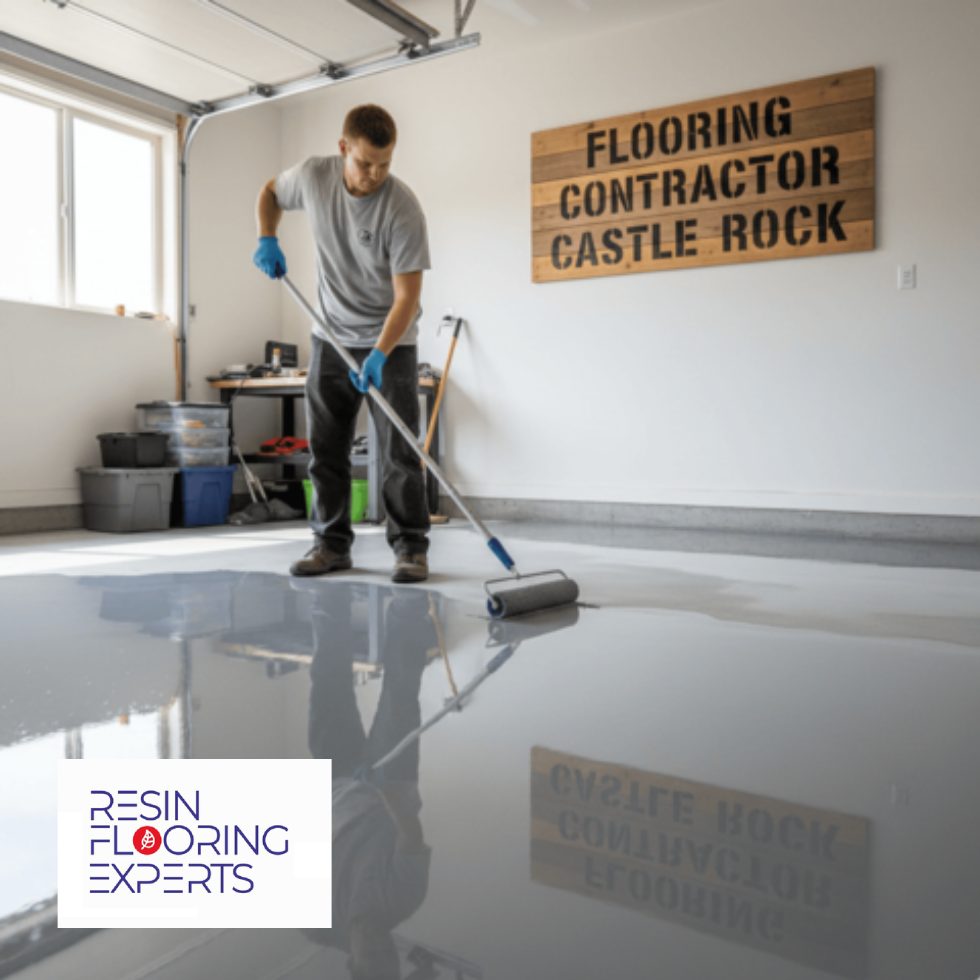
How hard is it to maintain an epoxy floor? It's something to consider. It's easier than caring for carpet. Carpets stain, trap smells, and need deep cleaning or replacement more often. Tile and grout can be hard to clean, and grout stains easily. Epoxy is seamless and non-porous, so spills wipe up fast.
Regular cleaning matters for commercial kitchens. Grease and food spills happen, so sweep and mop daily with a degreasing cleaner. In retail spaces, prevent scratches from foot traffic. Use mats at entrances and wax regularly to protect the finish.
In Castle Rock, dirt and snow get tracked in, mostly in winter. For garages, clean oil spills fast to prevent stains. A scrub brush and good detergent work well. Rinse well!
Here is a pro tip: don't use abrasive cleaners. They dull the shine over time. Use pH-neutral cleaners to keep your epoxy floors looking great for years. A little work helps a lot.
How do you *know* if your epoxy flooring solutions make customers happy? It's more than just a shiny floor. You must check customer satisfaction.
How fast do you respond to questions? Do you answer the phone fast? Do you return emails fast? Communication matters. Keep clients updated from the first quote to the final walk-through. No one wants to be left out.
What happens when there is a problem? Maybe there is a slight color issue or a small flaw. Your skills will be tested. How fast do you fix issues? Do you have a process for handling complaints?
The best way to measure this is to ask! Surveys help. Keep them short. Online review sites like Google Reviews or Yelp also help. Ask clients to leave honest comments. Testimonials also help! Good quotes on your website can help a lot.
Even better? Use case studies. Show clients how you’ve helped others. Did you reduce turnaround time for a business, so they could reopen faster? Did you install a floor that made a retail space look better (and increased revenue)? Numbers matter. Gather that info and use it to show your work.
How do you use the metrics we discussed? It isn't complicated, and you don't need special software to begin. For a small business or real estate investor, simplicity works best.
Consider spreadsheets. A basic spreadsheet can track installation times, material costs per project, and even customer satisfaction scores. Make columns for project details (location, size, type of epoxy), actual versus estimated costs, and a simple satisfaction rating (1-5 stars).
To gather customer feedback, a short form after the job works. Ask targeted questions: "Were you happy with the finish?" "Was the crew professional?" "Would you recommend us?" Google Forms is free and simple for this. You can link the responses to your spreadsheet.
For reports, keep it short. A monthly summary showing average installation time, cost per square foot, and average customer rating often works. If costs rise, find out why. Are material prices rising? Are your crews taking longer?
The main thing is, don't make it too hard. Begin simply, track the main metrics, and change your process based on what the data shows. Ignore this? Expect projects to exceed budgets, unhappy clients, and less profit. It’s worth the effort to watch things.
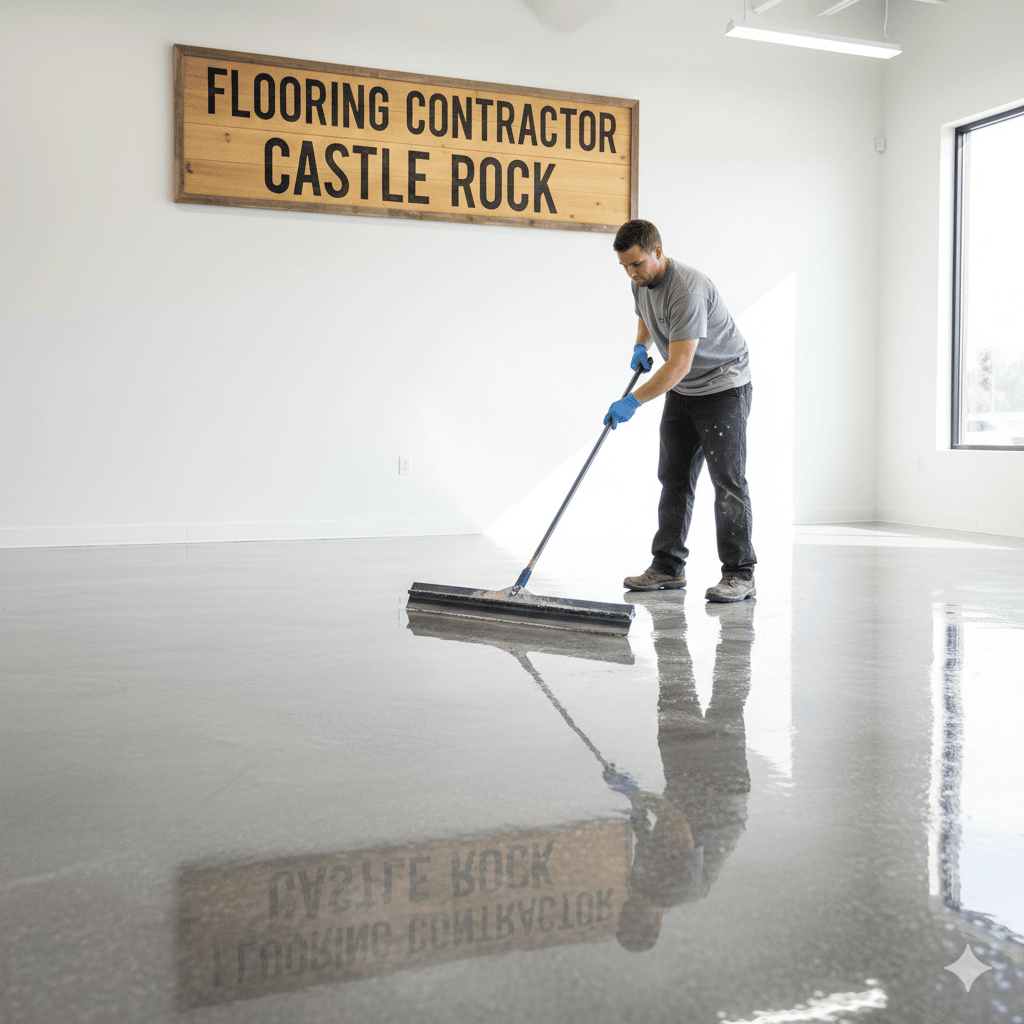
Let's examine some epoxy flooring projects we completed in Castle Rock. We saw great results, and it's not just about how the floor looks. It's about how it performs.
Consider the garage floor we did for a homeowner in the Meadows. They were tired of the cracking and staining on their old concrete. We installed a flake epoxy system. Now they've got a surface that's easy to clean and tough. The key metric? Durability. The homeowner said, "I can finally work on my car without worrying about ruining the floor!" That's a win.
Next, there's the small retail shop downtown. They needed something that could handle heavy foot traffic and still look professional. We used a self-leveling epoxy in a neutral color. The owner said their customers commented on how clean and modern the floor looks. For them, it was about aesthetics and easy upkeep.
Finally, we did a light industrial project near the industrial park. Oil resistance and safety were the big concerns. We installed an epoxy mortar system with a non-slip additive. It's tough. The plant manager was thrilled, saying, "We haven't had a single slip or fall since you guys installed the floor. It's made a difference in our safety record." That's what matters most in that line of work.
So, when we discuss successful epoxy flooring, it's not just one thing. It's about meeting each client's needs and delivering a floor that performs.
How do you *know* if your epoxy flooring works? Keep an eye on a few things. First, check the durability. Do you see scratches, chips, or cracks? Good epoxy flooring should handle wear, especially in stores. If it fails fast, something is wrong. Maybe the application was bad, or the wrong epoxy was used.
Looks also matter, especially for homes and stores that want a clean look. Is the color the same everywhere? Is the surface smooth, or is it uneven? Fading can happen in sunny spots.
Cost is also important. Epoxy is often cheaper than other floors, but it needs to last. Constant repairs mean you are not saving money. Check the floor's life versus the cost and upkeep.
Do not forget how people feel! For stores, a clean floor can change how customers see them. For homes, it is about a floor that looks good and is easy to clean. Complaints about the floor are a warning.
To improve how it works, use the right epoxy. Prep the floor before you put on the epoxy. This step matters. Follow the directions. Regular cleaning helps the floor last longer. In Castle Rock, epoxy flooring is strong, nice to look at, and a good value. When done right, it makes happy customers and lasts, so do it right!