Before you apply an epoxy coating, you must test for moisture. Seriously. Do not skip this step to save time or money.
Here is why: Concrete is porous and absorbs moisture from the ground. If you seal that moisture in with an epoxy coating, you create a recipe for disaster. Instead of ferns, you grow mold and cause your epoxy to fail. Trying to find a reliable Flooring Contractor in Denver business owners rely on for new flooring projects.. Nobody wants that.
What happens when you skip the moisture test? The epoxy can bubble, peel, or even completely separate from the concrete. Then you have a floor that looks terrible and needs to be redone. Redoing a floor costs more than doing the test initially.
Also, moisture trapped under epoxy can cause mold growth, which can affect air quality and cause health issues. So, moisture testing is a big deal. It's the basis for a successful, long-lasting epoxy floor. Do not skip it!
Too much moisture causes problems for epoxy floors. Epoxy must grab the concrete to form a strong bond. If the concrete has too much moisture, that process suffers. It is like trying to glue something to a wet surface; it will not stick.
Here is why: Moisture creates a barrier between the epoxy and the concrete. The epoxy cannot get into the concrete's pores as it should. This results in a weak bond. The epoxy is then likely to peel, bubble, or flake. No one wants that after putting money into a new epoxy floor.
Consider this in places like basements or garages, where moisture levels are often higher. Ignoring moisture issues sets your epoxy floor up to fail. You might save some time and money at first by skipping the moisture testing, but you will pay for it later with repairs or a redo. So, handling the moisture situation is a first step for any successful epoxy flooring project.
One common and unsightly result of applying epoxy to concrete that wasn't tested for moisture is blistering. This occurs when moisture trapped in the concrete tries to escape as the epoxy cures. The epoxy is impermeable, so the moisture is trapped. This creates vapor pressure that pushes against the coating, forming bubbles and blisters. This isn't just ugly; it hurts the coating's integrity.
Blisters and bubbles detract from an epoxy floor's look. Instead of a smooth, glossy finish, you get a bumpy surface. This is problematic in commercial spaces where a professional look helps attract customers and maintain a positive image. Homeowners also find blistering unacceptable because it ruins the look of a clean, modern floor. No one wants a floor that looks diseased.
Moisture interferes with the epoxy's ability to bond to the concrete. Epoxy needs a dry surface to bond well. When moisture is present, it creates a barrier between the epoxy and the concrete, which stops the materials from forming a solid bond. This weak bond makes the epoxy more likely to peel, chip, and wear down. The point of epoxy is to be durable, and moisture ruins that.
Beyond the visual problems, blistering and bubbling reduce the lifespan and durability of the epoxy coating. The compromised bond and trapped moisture create weak points. These weak points are open to impact, abrasion, and chemicals, which leads to early coating failure. What should be a long-term flooring choice becomes a headache that requires repairs or a complete re-application sooner than expected.
Fixing blistering and bubbling after the epoxy cures can be a big job. Often, the only fix is to grind down the surface, remove the failed epoxy, and start over. This includes re-testing for moisture, preparing the concrete, and applying a new epoxy coating. This fix can cost more than the first try, so moisture testing is key to preventing these problems. It's better to be safe than sorry when concrete and moisture are involved.
A big problem with skipping moisture testing is that your epoxy can end up delaminating and peeling. What does that mean? The epoxy separates from the concrete. It loses its grip, and you will see it bubble up or flake off.
Why does this happen? Concrete is porous, and it can hold a lot of moisture. If you trap that moisture under a layer of epoxy, it will try to escape. That escaping moisture pushes against the epoxy, breaking the bond.
Fixing delamination and peeling is a chore. At the very least, you will need repairs. Sometimes, you must redo the floor. That means more money, more time, and frustration. Moisture problems are a main cause of epoxy floor failure but are easy to avoid with proper testing and prep.
Think about it: you invested in epoxy flooring to protect your concrete and make it look great. If you skip the moisture testing and end up with delamination, you are back to square one. Maybe even worse, because now you must remove the failing epoxy before you can start over. Save yourself the trouble and always test for moisture first!
Moisture matters a lot for epoxy. Skipping moisture testing before applying epoxy invites future issues. Concrete is porous and holds moisture. If you don't address that moisture, it will try to escape.
Where will it go? It will go through your new epoxy coating.
This causes problems. You might see bubbling or blistering. The moisture creates pressure, pushing up the epoxy and creating bubbles. Over time, this weakens the bond between the epoxy and the concrete.
Also, you can get delamination. The epoxy starts to peel away from the concrete. It starts small, but it can spread quickly.
All this means your epoxy floor won't last. Instead of 10 to 20 years of use, you might get only a few years before it fails. Then you face repairs or replacement. That's why moisture testing matters. It's a simple step that saves headaches and money.
Trapped moisture is a big problem. If you skip moisture testing and apply epoxy, you might create a breeding ground for mold and mildew under the coating. Think dark, damp, and undisturbed. Mold loves that.
Here is why this is a problem. Mold and mildew aren't healthy. They release spores that can trigger allergic reactions, asthma attacks, and other respiratory issues. You're dealing with potential health problems for anyone using the space. It can get bad quickly, especially in a basement or somewhere with poor ventilation.
Plus, mold and mildew can degrade the epoxy over time. It can weaken the bond between the epoxy and the concrete, leading to bubbling, peeling, and floor failure. So, you redo the floor and deal with a mold problem. Not fun.
Moisture harms more than epoxy; it can ruin the concrete. Concrete is porous, with tiny holes that water seeps into. If water is trapped under epoxy, it can't evaporate.
What happens? The trapped moisture reacts with the concrete, causing alkali-silica reaction (ASR). This chemical reaction creates a gel inside the concrete. The gel expands, pressuring the concrete from the inside. Over time, this leads to cracking and crumbling, like the concrete is being eaten away.
Here is why this matters. Damaged concrete is a bad base for epoxy floors. Epoxy needs a solid surface to bond to. If the concrete is weak, the epoxy won't stick, causing bubbles and peeling. The floor fails sooner than expected. Skipping the moisture test risks the entire slab. It creates a bigger, more costly issue.
When it comes to moisture testing, you have two options: hire a professional or do it yourself. Each has pros and cons. The choice can affect your epoxy floor.
Professional moisture testing costs more upfront. You pay for accuracy and experience. Experts use calibrated equipment. They know where and how to test for reliable readings. They can also interpret the results for your project and environment. This is important.
DIY kits cost less. You can find them at most hardware stores. They are often less accurate, and the results can be hard to read. You might save money, but incorrect moisture readings can cause your epoxy floor to fail later. Repairs will cost more. Also, DIY kits offer no recourse if they are wrong. Professionals have insurance.
Accuracy matters. If moisture levels are too high, your epoxy coating will not bond well. This can cause bubbles, peeling, and other problems. It is better to pay more for professional testing and do it right the first time.
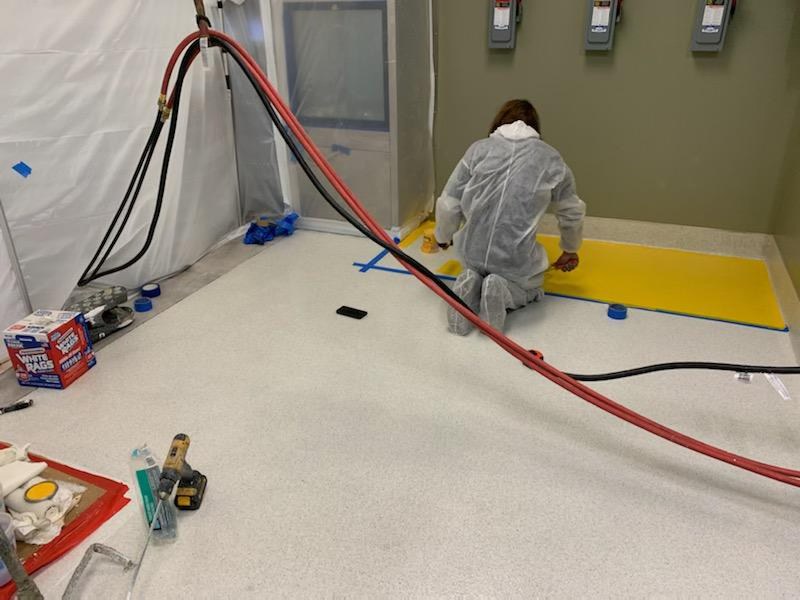
Thinking about epoxy flooring? Good choice, especially in Denver where the weather impacts concrete. Before installing that new floor, consider moisture testing. It might seem like an extra cost, but it's worth it.
The money spent on moisture testing protects against future issues. Imagine having to replace the entire floor. That would be expensive.
Here is why: Concrete is porous and holds moisture, even when it looks dry. Sealing in moisture with epoxy causes problems. The epoxy might bubble, peel, or crack because it won't bond. Then you have a bad floor that needs fixing. Fixing it costs more than the initial testing.
Compared to the epoxy flooring job, moisture testing costs a small amount. It's a test that shows the moisture levels in your concrete. It saves money in the long run. It makes sense.
What happens if you skip the moisture test? Plenty can go wrong. We've seen it all.
For example, a downtown warehouse had a new epoxy floor that looked great at first. Months later, bubbles appeared. Then the floor started peeling. The concrete slab wasn't tested for moisture. Water vapor rose and pushed the epoxy off. The result was a huge mess and a costly redo. They had to grind everything down, let the concrete dry, and start over.
Or consider a residential garage we worked on. The homeowner wanted a showroom-quality floor but didn't want to pay for moisture testing. We advised against it, but he insisted. A year later, the epoxy was cracking. Moisture from the ground was the cause. Now he's paying more to fix it than the test would have cost.
These issues aren't rare. Moisture harms epoxy. If it's trapped under the coating, it will cause problems like blistering, peeling, and cracking. You can avoid these issues with a simple moisture test before you start. It's the most important step.
Epoxy flooring isn't just paint on concrete. You create a chemical bond. To make that bond hold, you must prep the concrete right.
That means a few things. First, cleaning removes all dirt, grease, and anything else on the surface. Then comes profiling. Concrete is naturally smooth, and epoxy needs a rough surface to grip. Grinding or acid etching helps with this. You give the epoxy something to grab.
Here is why moisture is a big deal. Concrete is porous, so it sucks up water. If you seal that moisture in with epoxy, it will cause problems. Bubbles and peeling can occur. Moisture testing is a must. You need to know how much moisture is in the concrete before you apply epoxy.
Without prep and moisture testing, you might waste money. The epoxy might look good for a while, but it won't last. You'll deal with costly repairs or a redo. It’s worth the time to do it right the first time. Trust me.
Trapped moisture beneath an epoxy coating provides a breeding ground for mold and mildew. These microorganisms can degrade the epoxy over time, compromising its integrity and appearance. This can also lead to unpleasant odors and potential health hazards within the space.
Skipping moisture testing can lead to epoxy not properly bonding to the concrete substrate. Excessive moisture creates a barrier, preventing the epoxy from forming a strong, lasting connection. This results in peeling, bubbling, or complete detachment of the coating, requiring costly repairs.
When moisture vapor pressure builds beneath the epoxy due to temperature changes, it can cause blistering and bubbling. The vapor tries to escape, pushing the epoxy coating upwards and creating unsightly imperfections. This significantly reduces the lifespan and aesthetic appeal of the floor.
You have a concrete slab with a moisture problem, and you want to put down epoxy. Epoxy and moisture don't mix, so address the moisture first. If you ignore it, the epoxy will bubble, peel, and fail, which wastes time and money.
What can you do? Moisture barriers are key. Apply these coatings under the epoxy, right on the concrete, to block rising moisture. Think of it as a raincoat for your floor. Different types exist, so ask your supplier what works best for you.
Also, let the concrete dry out as much as possible before you start. Use fans and dehumidifiers. Saw-cutting control joints to relieve hydrostatic pressure is another option. It’s extreme, but it might be needed for serious moisture issues.
Don't just guess if it's dry. Rent a good moisture meter and test in several spots. Knowing beats guessing, and guessing wrong costs money. If the moisture readings remain too high, keep drying or explore stronger barrier options. It's a hassle, but doing it right saves headaches later.
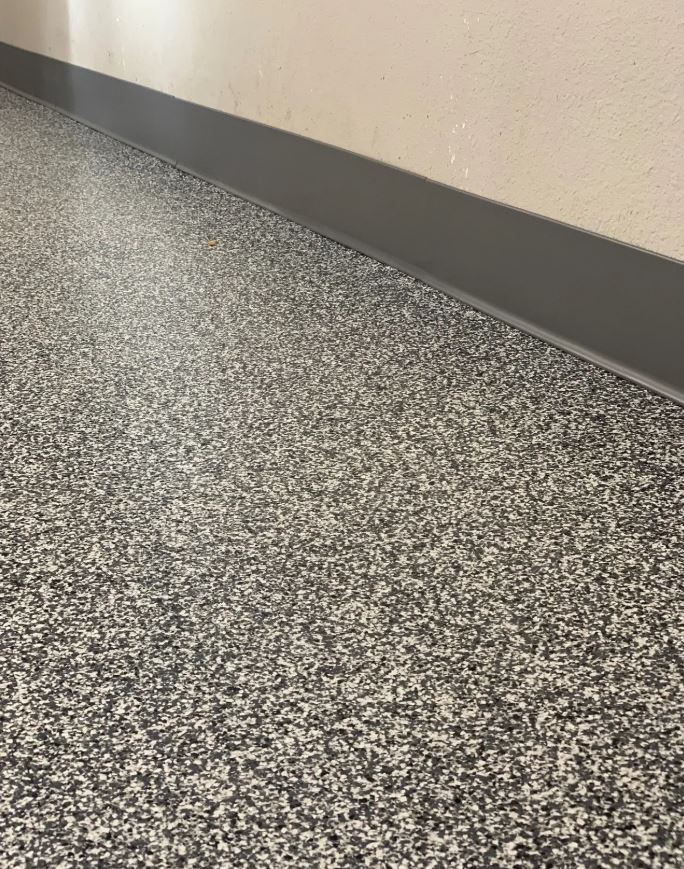
You've tested for moisture, and now you must pick the right epoxy. Not all epoxies are equal, especially for moisture. Some handle higher moisture levels. Read the product data sheets. Don't skip this. The data sheet tells you the epoxy's moisture tolerance, as a maximum relative humidity or a specific moisture content percentage.
If your concrete slab has a history of moisture issues, or if your moisture test showed elevated readings, find an epoxy system for those conditions. These systems include moisture vapor barriers or primers that block moisture from migrating through the concrete and ruining your epoxy finish.
Consider the environment. Is it a garage in Denver that sees snow and road salt? Or a basement prone to dampness? A commercial kitchen that gets hosed down nightly? Each environment has different needs. A system for a dry warehouse won't work in a humid basement.
Talk to your epoxy supplier. They can guide you to the right product and help you avoid mistakes. Don't grab the cheapest option. Investing in the right epoxy system saves you headaches and money.
When it comes to epoxy flooring, especially in a place like Denver with its temperature swings, you want to get the install right. That's why hiring an experienced flooring contractor matters. You could try a DIY approach, but things can go wrong if you don't know what you're doing.
A good contractor knows how to test for moisture. They don't just apply epoxy and hope for the best. They use equipment to check moisture levels in your concrete. If there's too much moisture, the epoxy won't bond. You'll get bubbles or peeling. The floor could fail. That wastes money and causes headaches.
Experienced contractors also know surface prep. This isn't just sweeping. They grind, patch cracks, and make sure the concrete is clean and ready for epoxy. They also understand how to apply the epoxy, like getting the right thickness and coverage.
It might be tempting to save money, but hiring a pro who tests for moisture and installs correctly pays off. You'll get a floor that looks good and lasts, even with Denver's weather and wear.
Don't skip moisture testing before you install an epoxy floor. This is especially true in Denver, where temperature and humidity change so much. Concrete can seem dry, but it is porous. It can hold a lot of moisture that you can't see or feel.
What happens if you skip this step? You risk adhesion failure. Your epoxy won't bond to the concrete the way it should. This causes bubbles, blisters, and peeling. This looks bad, and you waste money.
Consider Denver's freeze-thaw cycle. Any trapped moisture expands when it freezes. This puts more stress on the epoxy. Cracks can form, and your floor becomes a mess.
Mold and mildew can also grow. Moisture under the epoxy makes a great place for them to grow. No one wants that!
Testing for moisture might seem like an extra cost at first. Usually, this is a calcium chloride test or a meter. But it costs less than fixing a bad epoxy floor. You will know your epoxy floor will last for years. It will look good and hold up to anything. Do not skip this step.